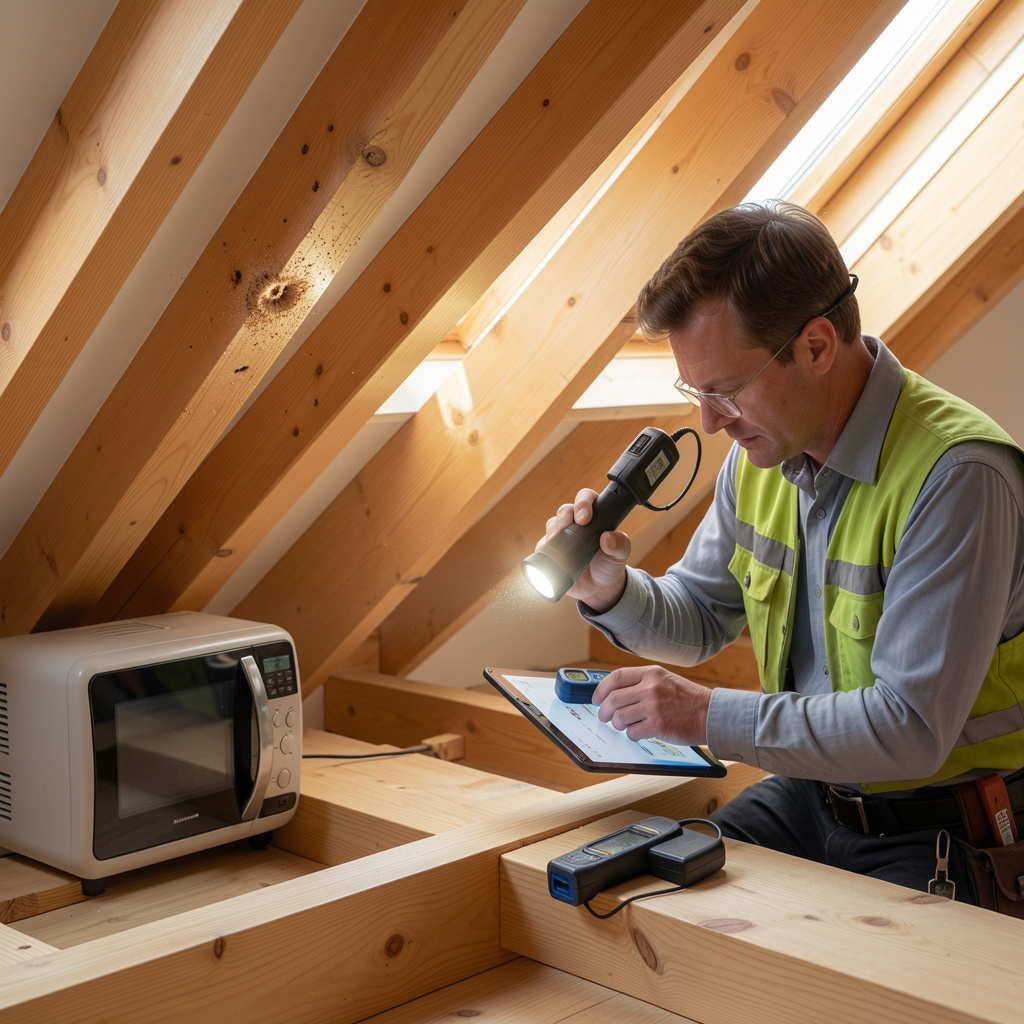
Wood-damaging pests can cause significant problems for homeowners, especially when infestations remain hidden for long periods. Among the most common culprits are termites and woodworm. While both attack timber, termites are generally much more difficult to detect during the early stages of an infestation. Their hidden lifestyle and feeding habits often allow them to cause extensive damage before homeowners notice any visible signs.
Woodworm, on the other hand, usually leaves distinctive evidence such as small exit holes and fine wood dust, making early identification somewhat easier. Understanding the differences between these pests helps homeowners recognize warning signs, carry out effective inspections, and protect their wooden structures from costly damage.
In this guide, we’ll explain why termites are harder to detect than woodworm and what signs you should look for during routine home inspections.
Understanding the Difference
Although both pests damage wood, they belong to completely different insect groups.
Termites
Termites are social insects that live in colonies and feed continuously on cellulose, the main component of wood. Depending on the species, they may live underground or entirely inside dry timber.
Common termite groups include:
- Subterranean termites
- Drywood termites
- Dampwood termites
Woodworm
Woodworm is the common name for the larvae of several wood-boring beetle species.
Some of the most common include:
- Common Furniture Beetle
- Deathwatch Beetle
- House Longhorn Beetle
- Powderpost Beetles
The larvae feed inside timber before emerging as adult beetles through small exit holes.
Termites Stay Hidden Inside Colonies
One of the biggest reasons termites are difficult to detect is that they rarely expose themselves.
Subterranean termites travel through:
- Mud tubes
- Underground tunnels
- Hidden wall cavities
Drywood termites spend most of their lives inside timber, making them equally difficult to spot.
Because they avoid open areas, infestations may continue unnoticed for years.
Woodworm Leaves Visible Exit Holes
Woodworm is often easier to identify because adult beetles leave the wood through small, round exit holes.
Common signs include:
- Small circular holes
- Fine wood dust (frass)
- Adult beetles during warmer months
- Weak or crumbly timber
These visible clues often alert homeowners to the presence of wood-boring beetles.
Termites Often Leave the Surface Intact
Termites usually consume wood from the inside out.
As a result:
- Exterior surfaces may appear normal.
- Paint may remain intact.
- Structural damage develops beneath the surface.
This hidden feeding behavior allows significant damage to occur before obvious warning signs appear.
Different Types of Frass
The waste produced by each pest also differs.
Drywood Termites
Drywood termites produce:
- Small, hard, pellet-shaped frass
- Tiny piles beneath kick-out holes
Woodworm
Woodworm typically leaves:
- Fine powdery frass
- Flour-like wood dust
- Dust around exit holes
Recognizing these differences helps with identification.
Termites Live in Large Colonies
Another reason termites are harder to detect is their colony structure.
A single colony may contain:
- Workers
- Soldiers
- Reproductive termites
- Thousands or even millions of individuals
Because most termites remain hidden inside walls or underground, homeowners rarely see the insects themselves.
Woodworm larvae live individually inside timber rather than as part of large colonies.
Common Signs of a Termite Infestation
Although difficult to detect, termites may eventually produce warning signs such as:
- Mud tubes
- Hollow-sounding wood
- Discarded wings
- Swarming termites
- Pellet-shaped frass (drywood termites)
- Doors and windows that become difficult to open
These signs should never be ignored.
Common Signs of Woodworm
Woodworm infestations usually produce:
- Small round exit holes
- Fine wood dust
- Adult beetles
- Weak timber
- Surface crumbling
Older exit holes may remain long after an infestation has ended, so additional evidence is needed to confirm current activity.
Areas Most at Risk
Both termites and woodworm commonly affect:
- Roof beams
- Floor joists
- Wall framing
- Window frames
- Door frames
- Wooden furniture
- Decks
- Timber outbuildings
Regular inspections of these areas improve the chances of early detection.
Preventive Maintenance
Good maintenance helps reduce the risk of wood-damaging pests.
Recommended practices include:
- Repair roof leaks promptly.
- Fix plumbing leaks.
- Maintain good drainage.
- Reduce wood-to-soil contact.
- Improve ventilation.
- Monitor indoor humidity.
- Inspect timber regularly.
Dry, well-maintained timber is generally less vulnerable to many forms of deterioration.
Modern Woodworm Treatment Options
If an active woodworm infestation is confirmed, treatment depends on:
- Beetle species
- Severity of infestation
- Structural condition
- Accessibility
Professional options include approved chemical treatments and modern heat-based technologies.
Microwave Woodworm Treatment
One increasingly popular chemical-free option is microwave woodworm treatment.
Professional microwave equipment uses dielectric heating to generate controlled heat inside timber.
The treatment is designed to eliminate:
- Woodworm larvae
- Beetle eggs
- Pupae
- Adult wood-boring beetles
Microwave woodworm treatment is intended for suitable wood-boring beetle infestations. Termite infestations generally require different management methods, depending on the termite species and the location of the colony.
Termites vs. Woodworm Detection
| Feature | Termites | Woodworm |
|---|---|---|
| Visibility | Usually hidden inside colonies | Often identified by exit holes |
| Frass | Pellet-shaped (drywood termites) | Fine powdery wood dust |
| Damage Pattern | Large internal galleries | Small feeding tunnels |
| Surface Appearance | Often remains intact | Exit holes are usually visible |
| Ease of Detection | More difficult | Generally easier |
Understanding these differences helps homeowners recognize potential infestations earlier.
Common Mistakes to Avoid
Avoid these common errors:
- Assuming all wood damage is caused by termites.
- Ignoring small piles of frass.
- Waiting for obvious structural damage before investigating.
- Confusing old woodworm exit holes with active infestations.
- Neglecting routine timber inspections.
Early identification is the key to minimizing damage.
Common Myths About Termites and Woodworm
Myth 1: Termites Always Leave Visible Damage
Fact: Termites often feed inside timber while leaving the outer surface largely unchanged.
Myth 2: Every Hole in Wood Is Caused by Termites
Fact: Small round holes are more commonly associated with wood-boring beetles than termites.
Myth 3: Woodworm Is More Dangerous Than Termites
Fact: Both pests can cause significant damage. The level of risk depends on the species, infestation size, affected timber, and how long the infestation remains untreated.
Conclusion
Termites are generally harder to detect than woodworm because they live in hidden colonies, consume wood from the inside, and often leave the outer surface looking intact. In contrast, woodworm usually leaves visible exit holes and fine wood dust that make infestations easier to identify. Recognizing these differences allows homeowners to spot warning signs earlier and protect valuable timber before extensive damage occurs.
Routine inspections, moisture control, good ventilation, and timely maintenance remain the most effective ways to reduce the risk of wood-damaging pests. Understanding how termites and woodworm differ also helps ensure that the correct treatment strategy is selected, preserving the strength and longevity of wooden structures.Visit https://www.shashel.eu online for more details.