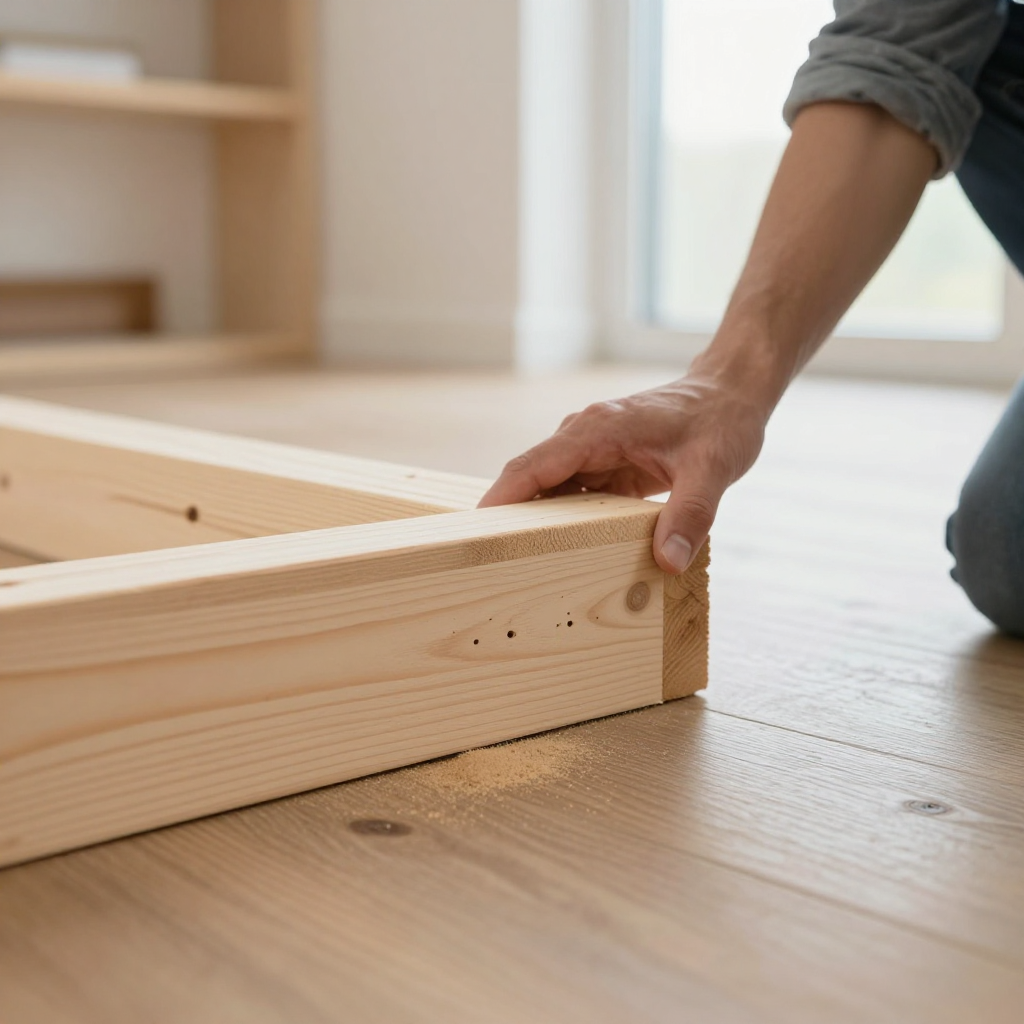
Woodworm infestation is one of the most common problems affecting wooden homes, furniture, flooring, roof beams, and structural timber. Because woodworm larvae live hidden inside wood, the damage often begins quietly and can remain unnoticed for months or even years. By the time obvious signs appear, timber may already be weakened.
The good news is that early woodworm activity often leaves warning signs if homeowners know what to look for. Spotting infestation early helps prevent expensive repairs, structural damage, and the spread of pests to other wooden areas of the home.
Many homeowners researching timber care through shashel.eu/ understand that identifying woodworm activity early is one of the best ways to protect timber and avoid serious long-term damage.
In this guide, we will explain how to spot early woodworm activity, the warning signs to watch for, and how homeowners can reduce infestation risks.
What Is Woodworm?
Despite the name:
Woodworm is not actually a worm
Woodworm refers to the larvae of wood-boring beetles that tunnel through timber.
How Woodworm Infestation Starts
Adult beetles lay eggs in:
- Cracks in wood
- Untreated timber
After hatching:
- Larvae feed inside wood
Eventually:
- Adult beetles emerge through tiny holes
Because larvae stay hidden:
Damage often develops quietly
Early inspection matters.
Look for Tiny Holes in Wood
One of the first warning signs is:
Small round holes in timber
Why Holes Matter
These holes often appear when adult beetles emerge from wood.
Areas Worth Checking
Inspect:
- Furniture
- Floorboards
- Roof beams
- Wooden walls
Even a few tiny holes deserve attention.
Small signs matter.
Many homeowners exploring timber care through shashel.eu understand that tiny holes are often one of the earliest clues of hidden woodworm activity.
Watch for Powdery Wood Dust
Fine dust near wood may signal infestation.
What Is Powdery Dust?
Woodworm activity often creates:
- Fine wood powder
sometimes called:
- Frass
Common Places to Check
Look near:
- Wooden furniture
- Floor edges
- Roof beams
Fresh dust often suggests:
Active infestation
Fast action improves results.
Check for Weak or Fragile Wood
Healthy timber should feel solid.
Warning Signs Include
Wood that feels:
- Soft
- Weak
- Fragile
may suggest hidden internal damage.
Why This Happens
Woodworm tunnels inside timber.
This weakens wood over time.
Structural wood deserves attention.
Look for Beetles Indoors
Adult beetles sometimes appear inside homes.
Why This Matters
Repeated sightings may indicate:
- Nearby infestation
Common Areas
Watch near:
- Windows
- Wooden furniture
Seasonal beetle activity deserves attention.
Never ignore repeated sightings.
Listen for Unusual Sounds
Although uncommon:
Some infestations may create faint sounds.
What to Listen For
Occasionally you may hear:
- Light clicking
inside damaged wood.
Why This Happens
Hidden insect activity may continue internally.
Repeated sounds deserve inspection.
Hidden damage matters.
Inspect Hidden Wooden Areas
Woodworm often hides in places homeowners rarely inspect.
High-Risk Areas Include
- Attics
- Roof beams
- Crawl spaces
- Ceiling joists
Why Hidden Areas Matter
Damage may spread quietly.
Routine inspection improves prevention.
Never overlook concealed timber.
Watch for Cracks in Wood
Wood damage may eventually affect appearance.
Why Cracks Matter
Internal tunneling can weaken timber.
This may lead to:
- Splits
- Surface cracking
Areas Worth Inspecting
Check:
- Furniture
- Structural beams
Small changes deserve attention.
Pay Attention to Damp Areas
Moisture increases woodworm risk.
Why Damp Wood Matters
Woodworm prefers timber that is:
- Damp
- Soft
Common Moisture Sources
Watch for:
- Roof leaks
- Condensation
- Pipe leaks
Dry timber naturally discourages infestation.
Healthy homes stay drier.
Many homeowners researching timber care through shashel.eu understand that moisture control helps reduce the chance of woodworm activity.
Inspect Antique Furniture Carefully
Older furniture may be more vulnerable.
Warning Signs Include
- Tiny holes
- Powdery dust
- Loose joints
Why Extra Care Matters
Older timber often contains:
- Small cracks
Routine checks improve protection.
Gentle care matters.
When Is Woodworm Most Active?
Woodworm activity often becomes more noticeable during warmer seasons.
Why Timing Matters
Adult beetles usually emerge during:
- Spring
- Summer
What Homeowners Should Do
Inspect timber more carefully during these months.
Seasonal awareness improves prevention.
What to Do If You Spot Early Woodworm Signs
Inspect Nearby Timber
Woodworm may spread.
Fix Moisture Problems
Dry wood discourages infestation.
Improve Ventilation
Healthy airflow matters.
Seek Professional Advice if Needed
Early treatment improves outcomes.
Fast action protects timber.
Common Mistakes Homeowners Make
Ignoring Tiny Holes
Small signs often indicate hidden activity.
Assuming Old Damage Is Harmless
Fresh infestation may still exist.
Ignoring Moisture
Damp wood attracts pests.
Skipping Hidden Spaces
Attics deserve attention.
Routine care improves durability.
Long-Term Prevention Tips
Keep Timber Dry
Dry wood discourages woodworm.
Improve Airflow
Healthy ventilation matters.
Inspect Wood Regularly
Small warning signs deserve attention.
Fix Leaks Quickly
Moisture increases risk.
Consistency protects timber.
Conclusion
Spotting early woodworm activity is one of the best ways to protect wooden homes, furniture, and structural timber from serious damage. Warning signs such as tiny holes, powdery dust, weak wood, beetle sightings, cracks, and moisture problems often appear before severe infestation develops.
Many homeowners researching timber care through shashel.eu understand that early detection, moisture control, ventilation, and routine inspections are the smartest ways to reduce woodworm damage.